
HEARTS: Promoting Mental Health in Higher Education
- BCURE

- Apr 1, 2025
- 3 min read
HEARTS: Higher Education Action Response for Trauma Support is an Erasmus+ project dedicated to the co-design and piloting of innovative strategies for promoting mental health in higher education through culturally sensitive and community-based approaches. The project seeks to strengthen inclusive environments and to support the entire university community (students and staff), especially those communities that are more vulnerable or less represented.



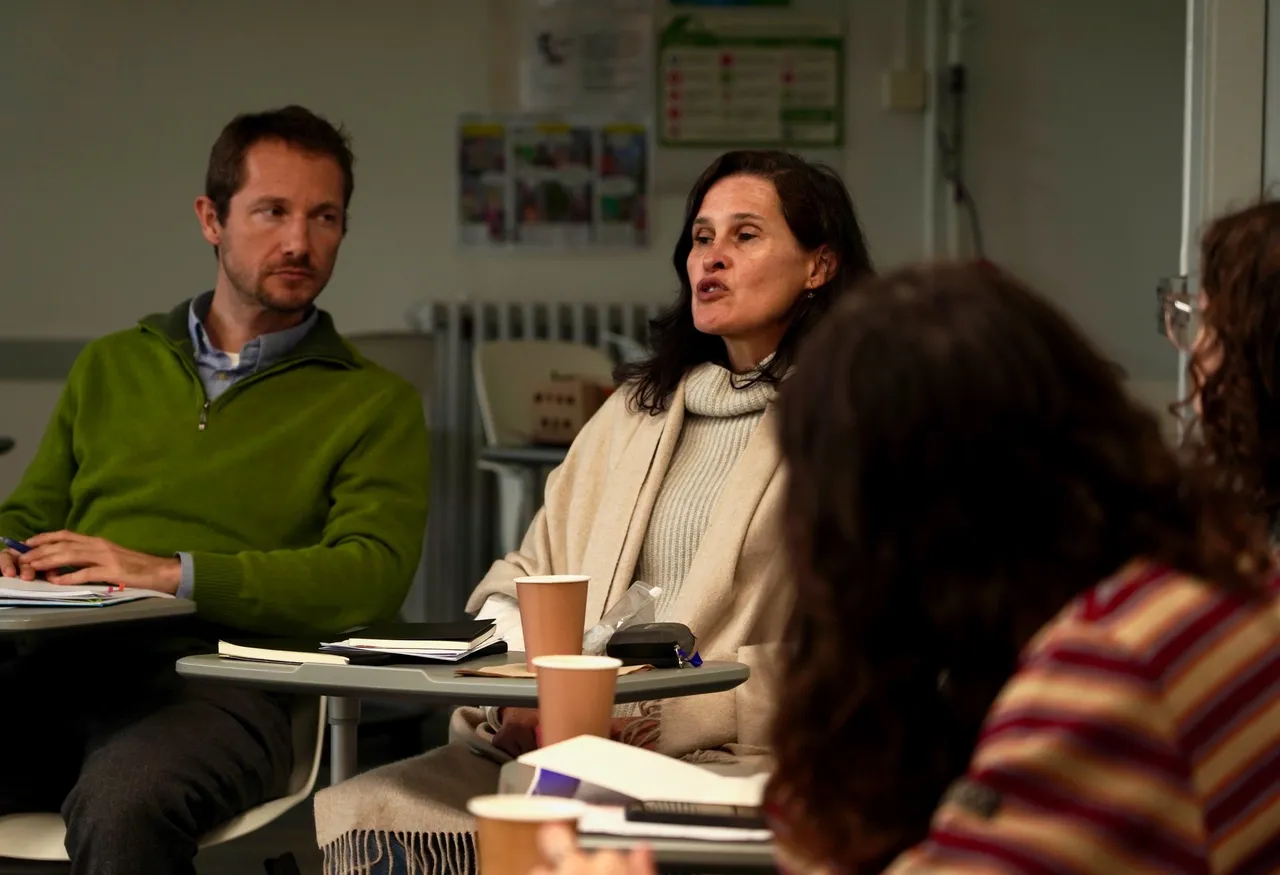
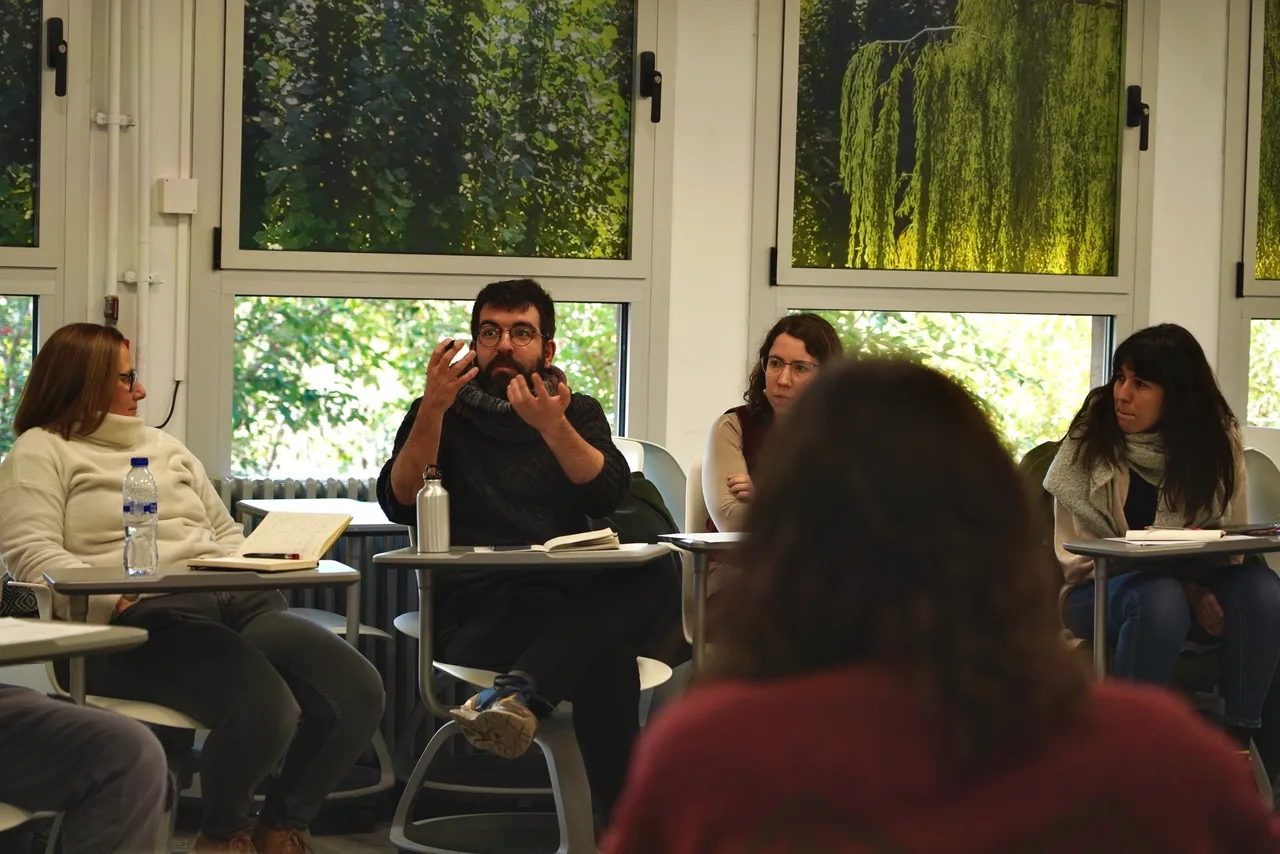
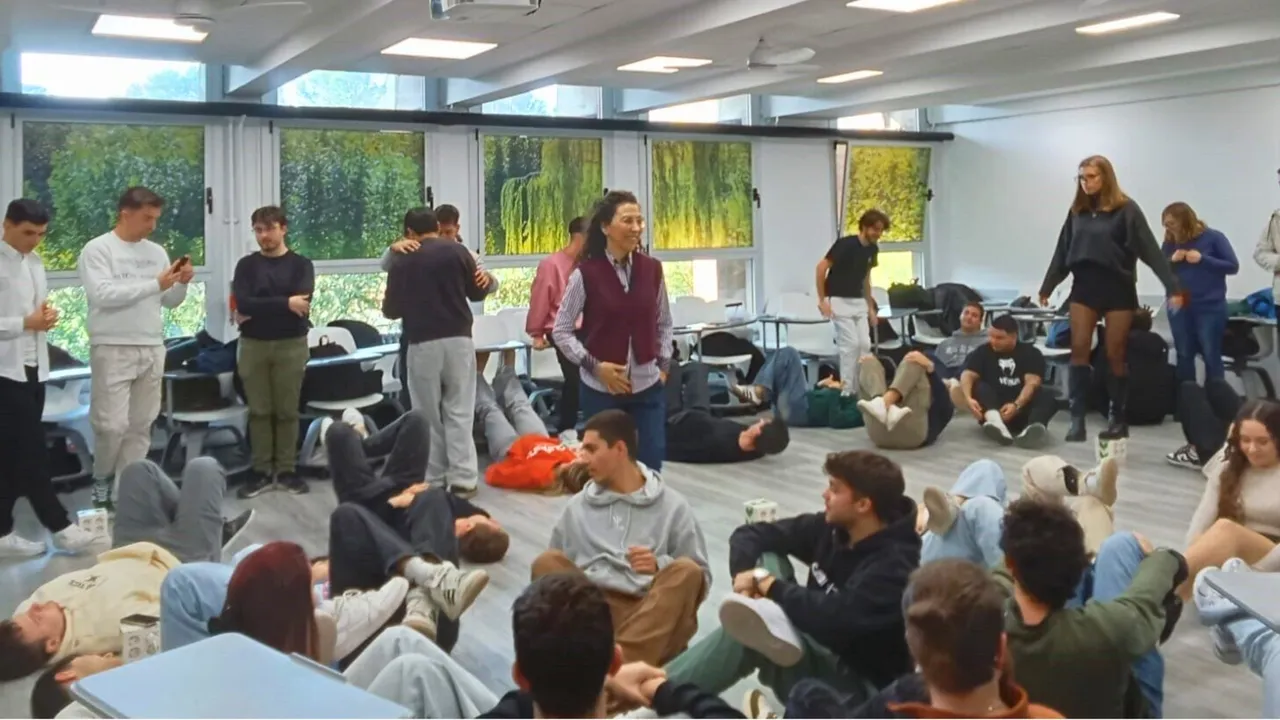
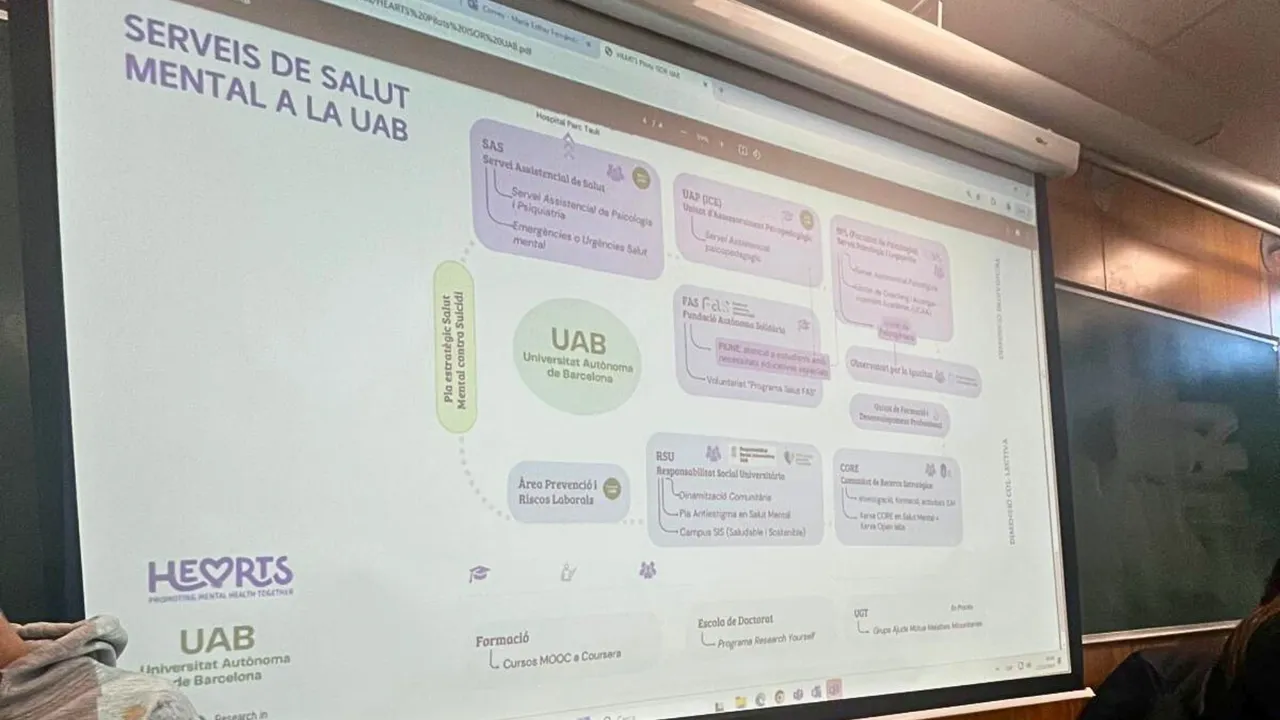
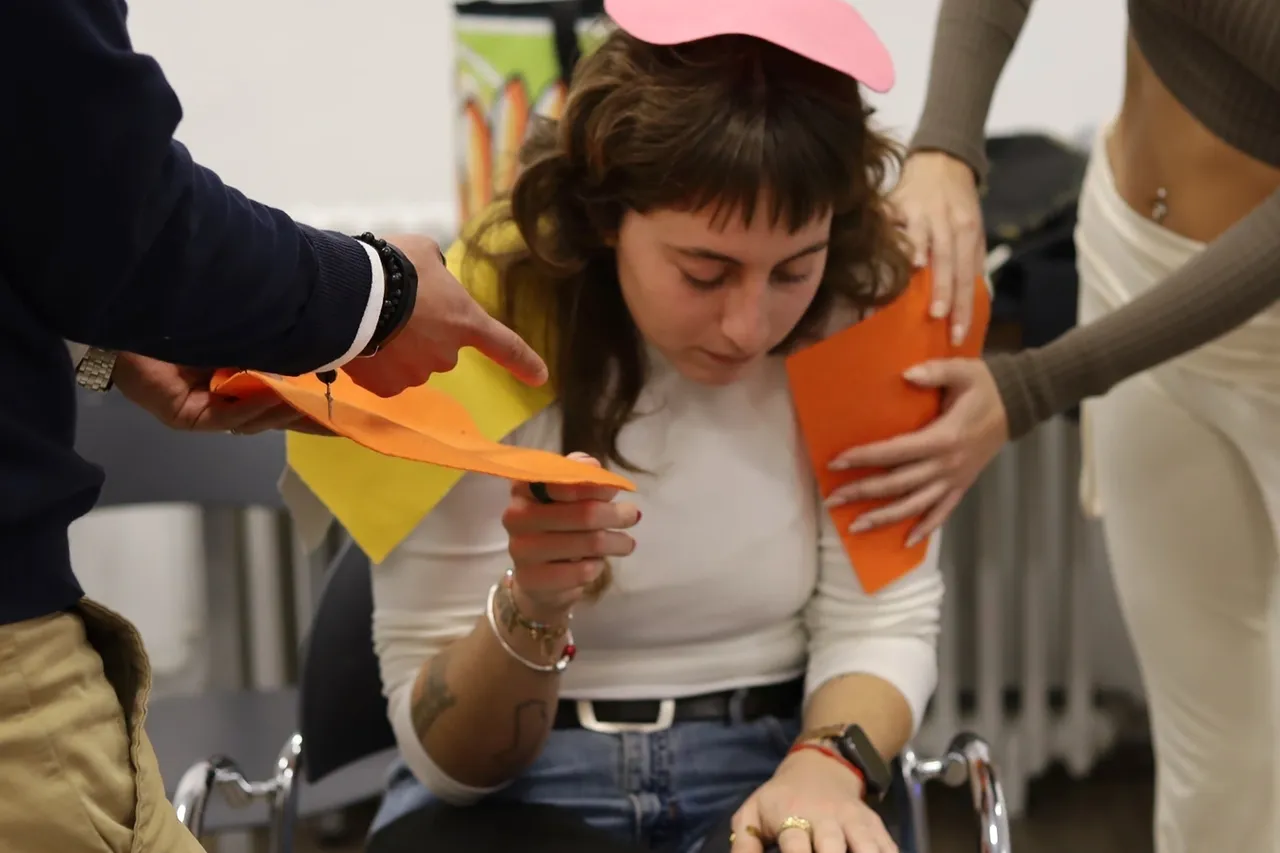
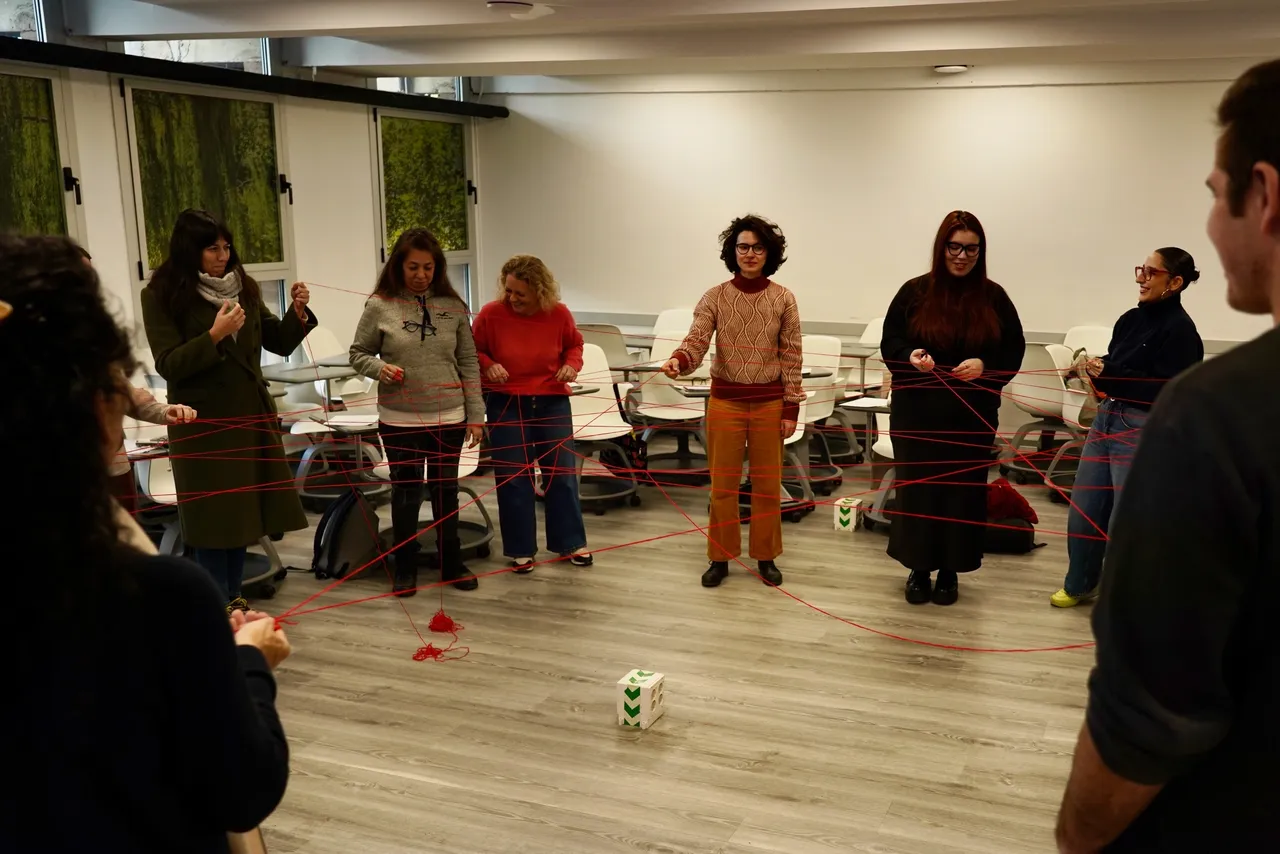
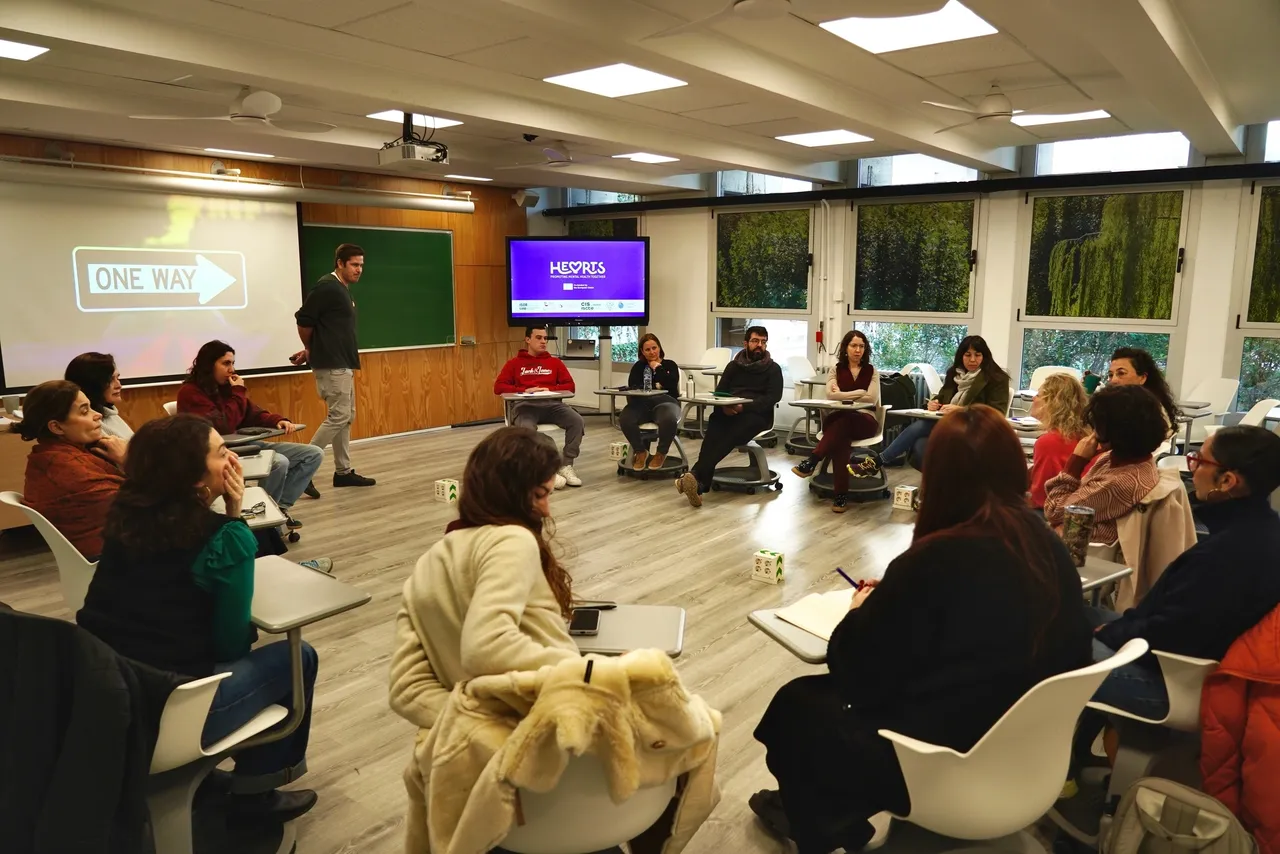

This partnership includes ISOR–Universitat Autònoma de Barcelona (Spain), CIS–ISCTE–Instituto Universitario de Lisboa (Portugal), CRES – Università ta’ Malta (Malta), UNICA – Università degli Studi di Cagliari (Italy), SCT COREP – Consorzio per la Ricerca e l’Educazione Permanente Torino (Italy) and IUHPE (International Union for Health Promotion and Education, France).
Objectives
Improve the quality of mental health promotion strategies within higher education institutions.
Respond to the shared needs of students and university staff, with special attention to vulnerable groups and less represented communities.
Foster inclusive, culturally sensitive and emotionally safe learning environments.
Increase the capacity for transnational cooperation among European universities in the promotion of mental health.
Design innovative methodologies and co-created products based on international health promotion frameworks.
Integrate digital and community approaches that respond to diversity and the multicultural contexts of the participating universities.
Methodologies
The HEARTS project applies a transdisciplinary, intercultural and community-based approach, guided by the principles of the Okanagan Charter and by the key competencies for health promotion established by the International Union for Health Promotion and Education (IUHPE).
These methodologies integrate scientific, artistic and social knowledge to create inclusive and culturally sensitive learning environments that promote wellbeing and mental health in the university setting.
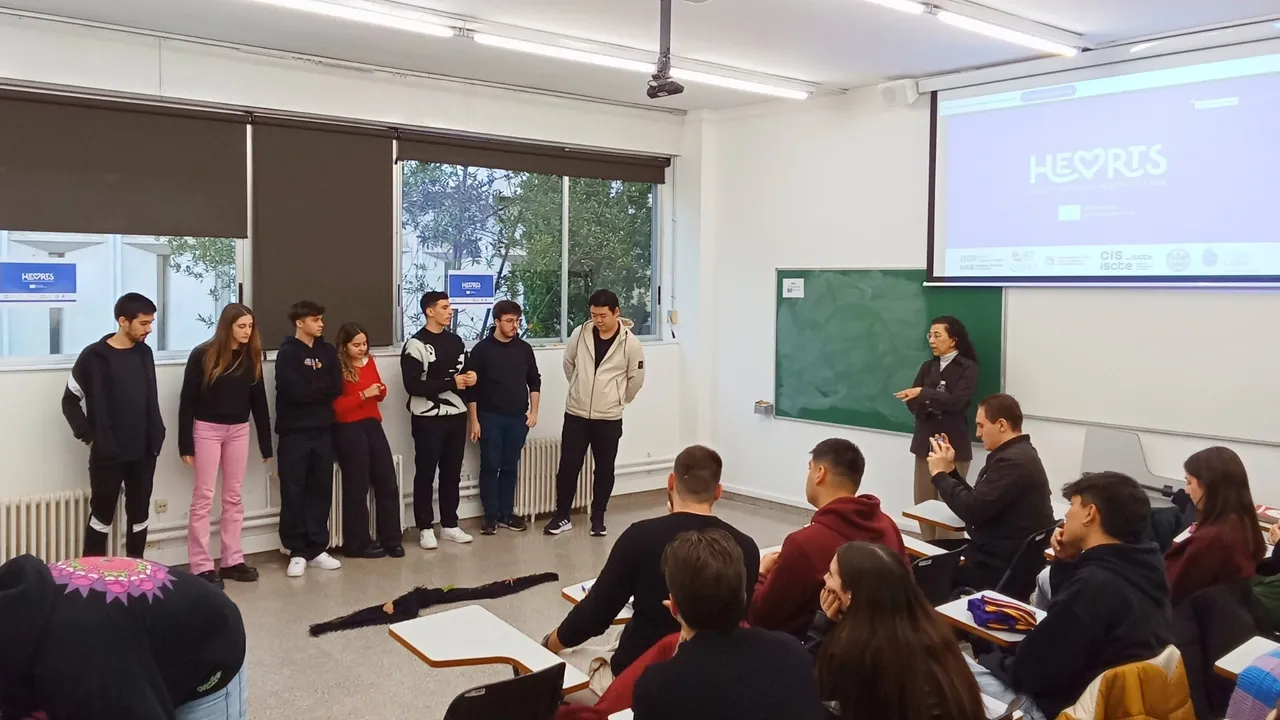
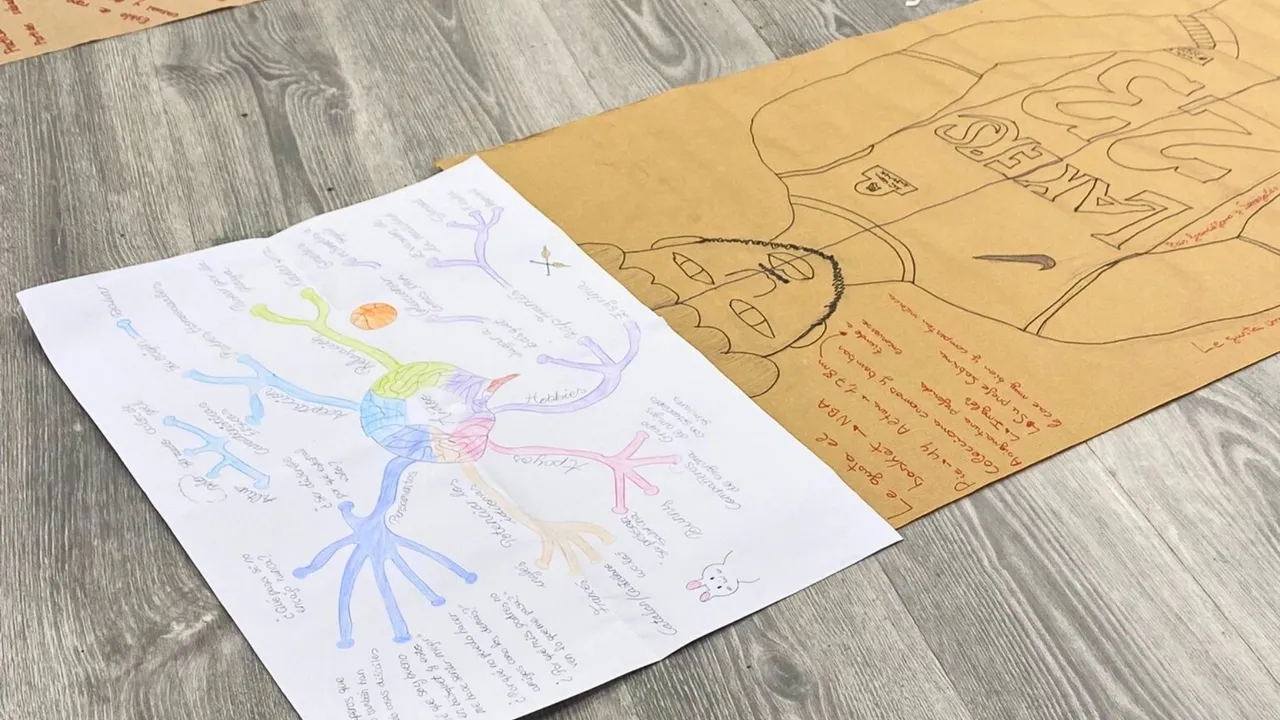
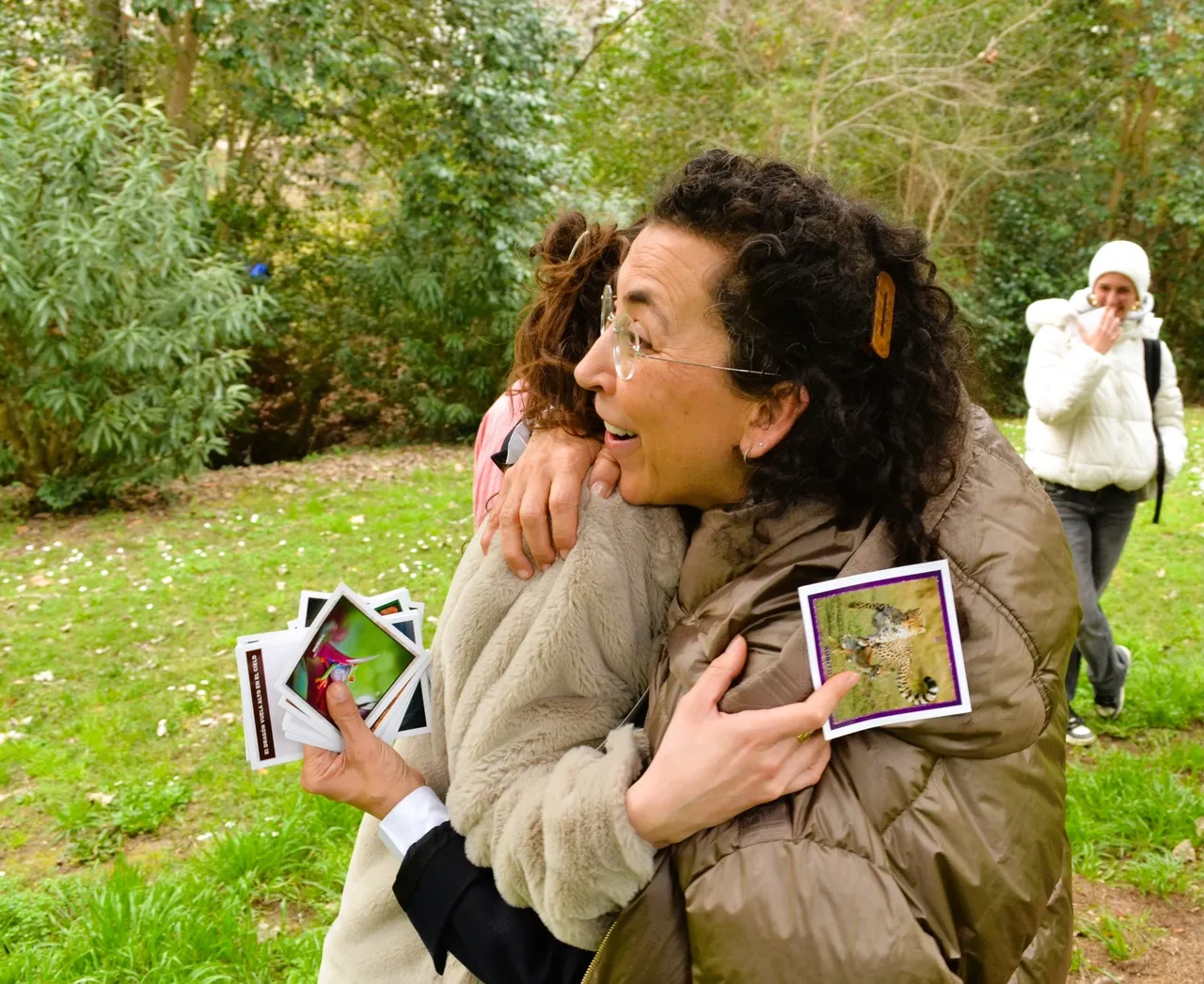
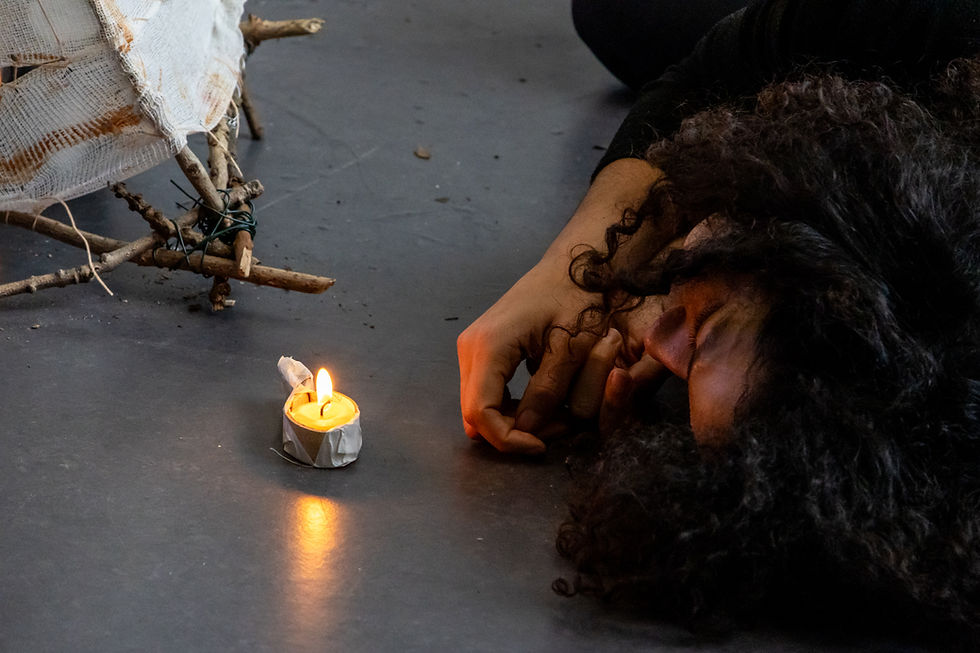
Among the practices used are: intercultural and interreligious dialogue; mourning and identity rituals; community theatre, storytelling and participatory dynamics; culturally adapted cognitive-behavioural therapy; health communication, visual thinking and gamification; socio-emotional learning, community building and active participation as fundamental pillars of the project.
Target groups
HEARTS is primarily aimed at students and university staff who have experienced difficult situations or circumstances of vulnerability. This includes refugees, asylum seekers, victims of violence, cultural or religious minorities, and those facing gender inequalities, socioeconomic precariousness, discrimination based on disability, age or sexual orientation, as well as people affected by post-COVID disorders. The project also aims to foster safer, more inclusive and culturally sensitive environments for the entire university community.
The project actively involves specialised staff in university support services, such as mental health, inclusion and psychoeducational counselling units; as well as student associations, educational networks and collaborating entities working in higher education. In addition, HEARTS seeks to engage in dialogue with policymakers committed to inclusive and sustainable university policies on mental health.
Website and contacts
Official HEARTS website: heartsproject.eu
Instagram @heartsproject
Facebook HEARTS Project
X @heartsproject
Project Details
Project name | HEARTS – Higher Education Action Response for Trauma Support |
Project number | PC-23-0026. |
Coordination from BCURE | María Esther Fernández Mostaza, Irantzu Casajús |
Start and end date | 30/12/23 → 29/12/25 |
Project framework | Erasmus+ KA220-HED – Partenariat estratègic per a l’educació superior |
Disclaimer | HEARTS Higher Education Action Response for Trauma Support (Project number: 2023-1-ES01-KA220-HED-000158841) is a strategic partnership within the European Commission’s Erasmus+ Programme. The European Commission’s support for the production of this publication does not constitute an endorsement of its content, which reflects exclusively the opinions of the authors, and the Commission cannot be considered responsible for any use that may be made of the information contained herein. |


Comments